How My Crow Journey Began
In Memory of My Father
Cleve Kenneth Crow Sr.
–
He started a journey he never lived to see unfold. The names and family stories he left me became the foundation of this search.
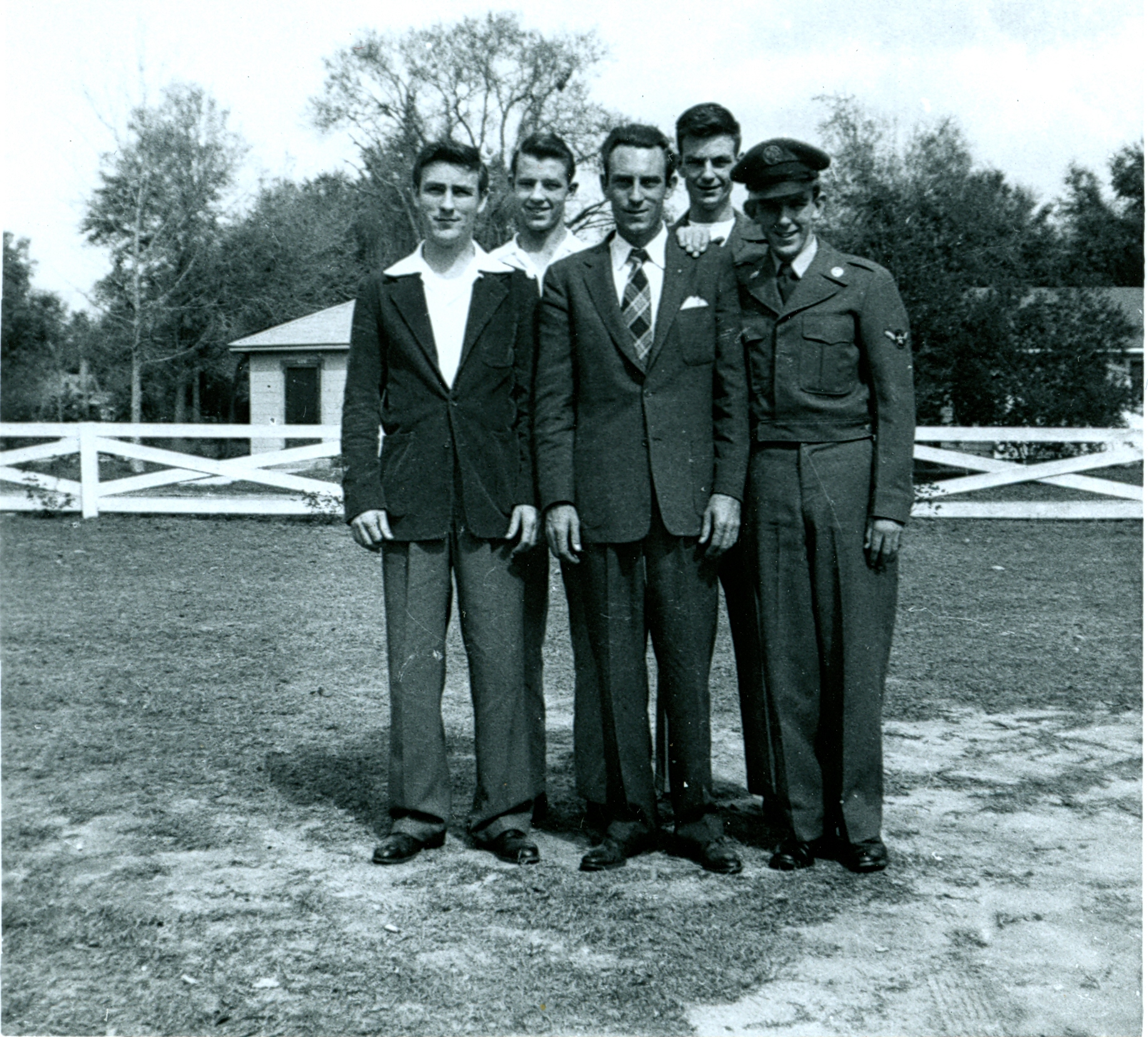
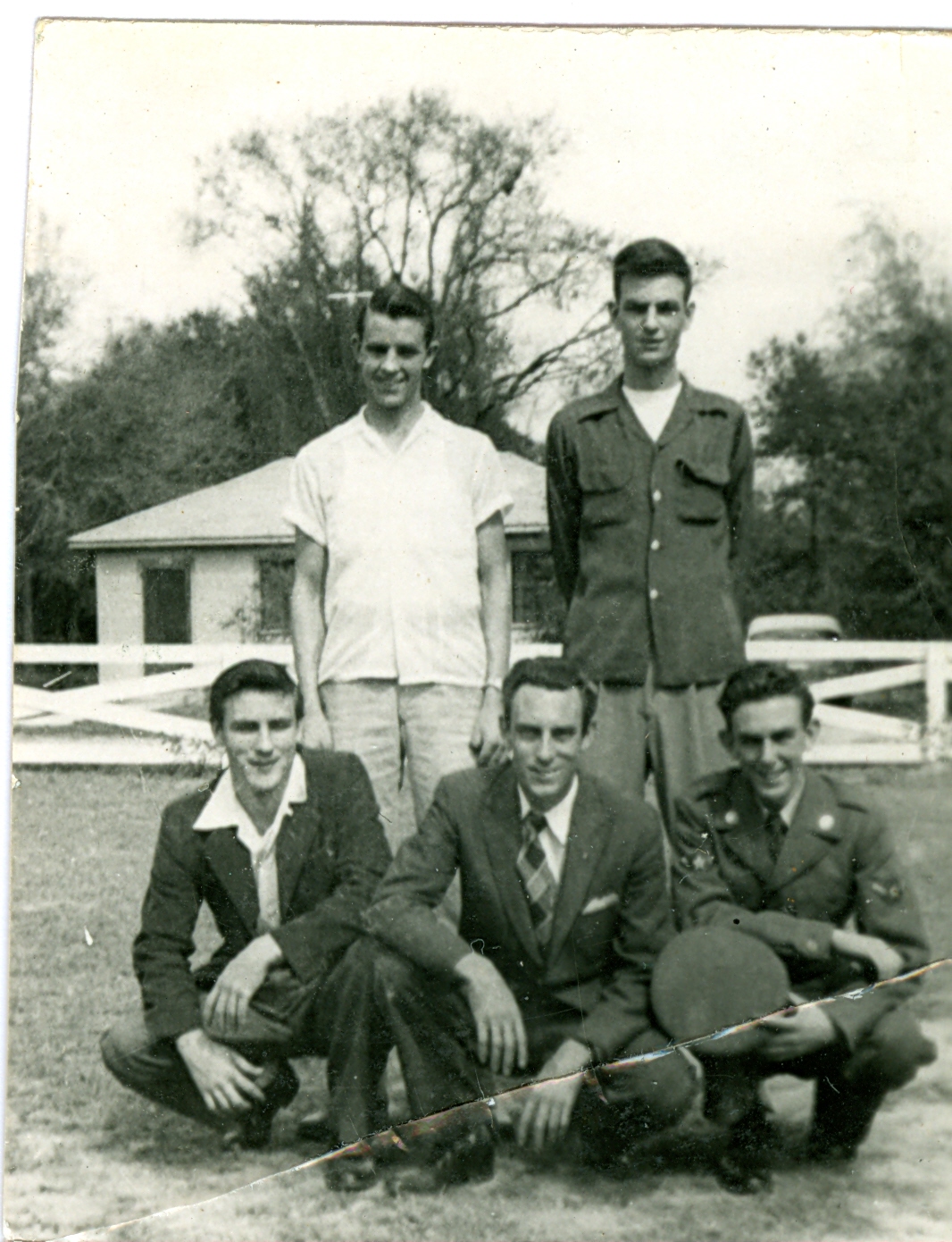
The Crow Brothers
Paul Harding Crow (1921–1971), Austin Milton Crow Sr. (1930–2015), Jesse Daniel Crow (1933–1985), Cleve Kenneth Crow Sr. (1934–2004), and Clarence Roy Crow (1937–1971).
My father, Cleve Kenneth Crow Sr., and his four brothers were the sons of Jesse (Jess) Franklin Crow and Beulah Mae Huff. They also had a sister, Mary Kathryn Crow (1925–1988).
My Father Started the Journey
My father told me I was a Crow Indian. For years, that was what I believed. It was the family history I had been given, and I had no reason to question it.
Shortly before he died, my father began looking into our genealogy. He passed along names and family connections that would become my starting point. He never got to learn about the Green Crow line or the possible connection to Sir William Crow that I’m exploring now. Those discoveries—and the questions that came with them—came later. But my father started the journey.
Getting Past the Numbers
At first, genealogy and DNA research overwhelmed me. There were codes, charts, marker values, and more numbers than I knew what to do with. I asked several people for help, but I struggled to find someone who could explain what any of it meant for my family.
Then someone working on the Green Crow line contacted me. They were trying to develop that line and thought I might belong to it. They asked about my father, his father, and his father before him. Because of the information my own father had given me, I could answer.
They thought the connection was worth testing, and they paid for my first DNA test in full. This was when testing was expensive. Their generosity gave me a way into research I didn’t understand how to begin on my own.
Later, I paid for additional tests and upgrades, hoping each one would finally explain where I fit. Too often, I felt as though I had bought another set of numbers. I wanted answers in plain English: Who were these people? How were we connected? What did the results actually establish?
The expense and frustration eventually wore me down, and I stopped for a while. That experience is part of why I want this website to explain the research in language people can understand.
To Me, He Was Just Nigel
My connection with Nigel G. Crowe began through my web hosting business. He needed hosting for ManxRoots.info, and I hosted his website for years.
We had phone conversations, and later we stayed in touch through Facebook and calls. Nigel shared an extraordinary amount of information with me. He helped me understand why the Isle of Man mattered to Crow and Crowe family research, and he introduced me to the families and records he had spent so much time studying.
He also told me about the Crows who served in the ministry. I remember him explaining the use of “Sir” for a clergyman and why I shouldn’t automatically read it as evidence of a knighthood. He gave me both information and a better sense of the questions I needed to ask.
After his wife died, I told him I would continue hosting his website without charge in her memory.
Later, while moving servers, I tried to reach him and couldn’t. I saved a copy of his website. I remember thinking that if the site went down, surely he would call.
He never called. I eventually learned that he had passed away. Nigel died on , aged 64.
Read Nigel’s obituary in Isle of Man Today
Only later did I learn more about the recognition Nigel had received for his contributions to Manx history and culture. To me, he had just been Nigel: my friend, my hosting customer, and someone willing to help me understand where my family might fit.
Why His Archive Is Here
I decided to preserve the copy of Nigel’s website that I still had and make it available here. Some pages and files are missing, but the surviving material represents years of work that can still help people.
His archive reaches beyond my own family questions. It contains research into Manx families, places, land, and records. My hope is that it will continue helping others, just as Nigel helped me.
The possible connection between my own line and Sir William Crow remains a research question. I want to follow the evidence and be clear about what is documented, what DNA supports, and what still needs to be established.
Start With the People Who Can Still Tell You
One thing I wish I had done sooner is talk more with my grandparents. When you’re in your twenties, you don’t always realize that the people sitting across from you hold information you may spend the rest of your life trying to recover.
Ask them for names. Ask where people lived, who raised whom, and how everyone was connected. Write it down. Record who told you and when. Look through the family Bible, photographs, letters, and handwritten notes. Those conversations can give you a starting point that no testing kit can provide.
Why DNA Matters: What the Paper Trail Can Miss
For me, this has to be a two-pronged search: learn the family stories and build the tree from records, then use DNA to help test the biological connections. A name on a document can tell you who raised someone or who was legally recognized as a parent. It does not always tell you who their biological parents were. My own family shows why.
I have two adopted daughters. After their adoptions, their birth certificates listed me as their father. I am their father. But a researcher a hundred years from now could read those documents and assume a biological connection that isn’t there.
Another example is Lewis Chipley Carnley, my namesake. As the story was passed down to us, his family had too many mouths to feed, and the Timney family took him in and raised him. He was buried as a Carnley in the Timney family cemetery. That connection is how our family understood the Carnleys’ place there.
He could easily have been recorded or buried under the Timney name. We knew he was a Carnley because the family passed that story down. Without it, someone following only the surname could head down an entirely different family line.
That is what makes DNA so valuable to this work. It gives us another kind of evidence when the records leave questions—or seem to tell a different story. DNA alone does not explain an adoption or tell us who raised a child. The family stories, documents, and DNA need to be considered together.
That is what The Crow Identity is about for me: bringing those pieces together, preserving what people have shared, and trying to understand where we fit in the larger family story.
My father started me on that path. Other Crows gave me the opportunity to begin testing. Nigel helped me understand the Manx connection. This website is my way of carrying that work forward.
Sometimes the Paperwork Doesn’t Tell the Whole Story
A missionary deep in Africa was summoned by the chief. A white baby had been born in the village, and the chief wanted an explanation.
“You’re the only white man within a thousand miles,” the chief said. “What’s going on here?”
The missionary, being a man of God, and a wise man, walked over to the window and stroked his beard.
“Chief, come here a moment.”
Outside, a flock of white sheep grazed in the field.
“Do you see all those white sheep?” the missionary asked. “And do you see that one black sheep among them? Only God knows how these things happen.”
The chief leaned toward the missionary and looked down and quietly said....
“If you don’t tell on me, I won’t tell on you.”
Sometimes the paperwork doesn’t tell the whole story. DNA can help us get closer to what happened—without having been there.
If you have a sense of humor, visit CrowU.org and get yourself a few degrees. Or stop by CrowSeminary.org and bestow some titles on your friends—or your enemies.